 By Admin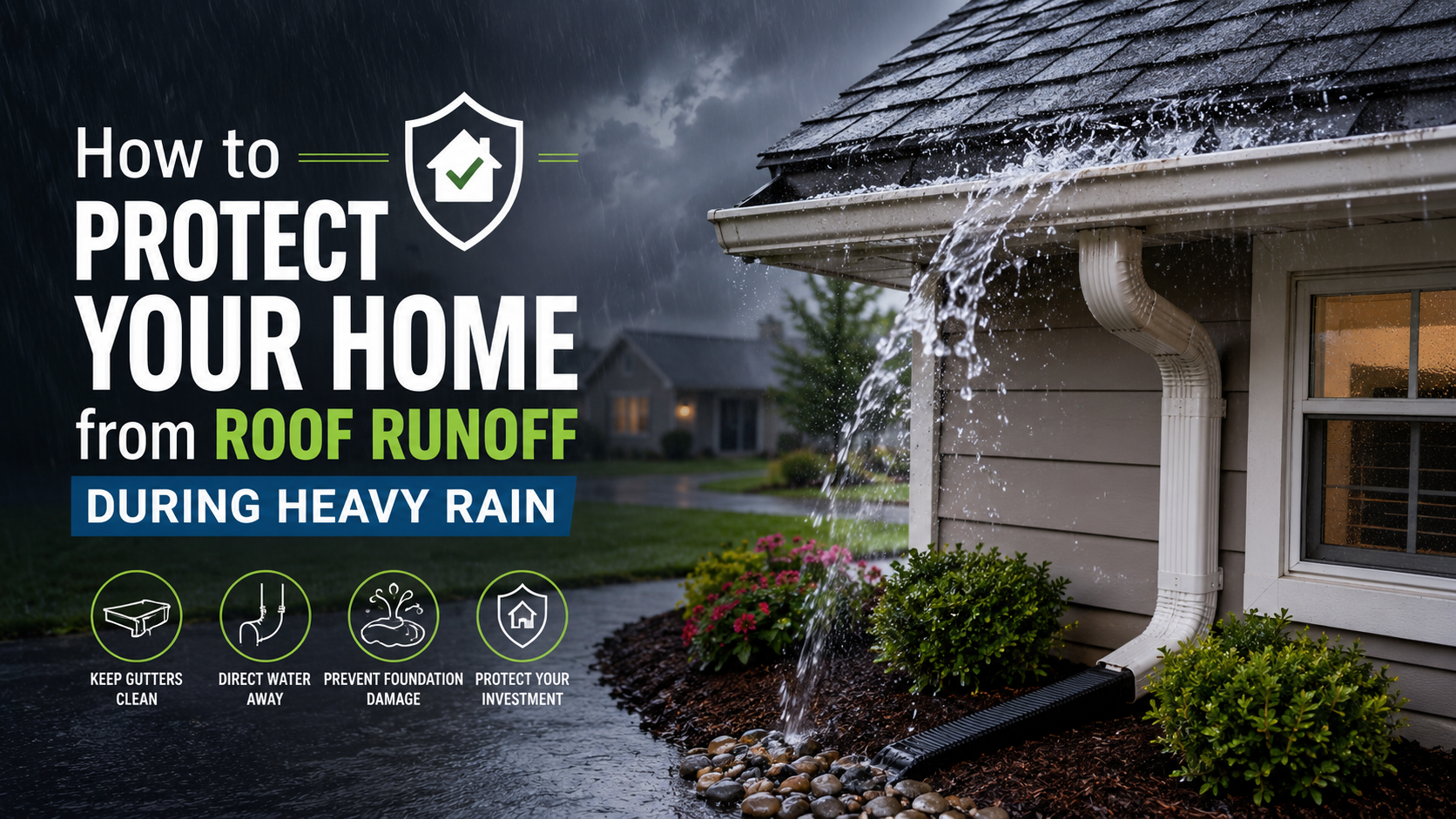
Heavy rain can quickly turn a safe, dry home into a place of concern if roof runoff is not properly managed. Water pouring off your roof can erode landscaping, damage your foundation, and even cause leaks inside your home. Preventing these issues requires a combination of preparation, maintenance, and the right systems in place to direct water away from your property. Understanding how to protect your home from roof runoff during heavy rain is essential for maintaining your property’s value and ensuring your family’s comfort and safety, especially in regions prone to frequent storms and downpours.
What to Expect in This Guide
Understanding Roof Runoff and Its Risks
Roof runoff occurs when rainwater flows off your roof and onto the ground below. While this may seem harmless, the volume and force of water during a heavy storm can cause significant problems. When water is not properly channeled away, it can pool around your home’s foundation, leading to cracks, leaks, and even structural damage over time. Soil erosion is another common issue, as the force of the water can wash away landscaping and create unsightly gullies. Additionally, uncontrolled runoff can lead to basement flooding, mold growth, and damage to exterior walls. Understanding these risks is the first step in taking action to protect your home. By recognizing the potential consequences of unmanaged roof runoff, homeowners can prioritize solutions that safeguard their property and prevent costly repairs in the future.
The Importance of Gutters and Downspouts
Gutters and downspouts are the primary defense against roof runoff damage. They collect rainwater as it flows off the roof and direct it safely away from the foundation. Without a properly functioning gutter system, water can pour directly off the roof’s edge, saturating the ground below and increasing the risk of foundation problems. Over time, clogged or damaged gutters can exacerbate these issues, as water overflows and spills in unintended areas. Regular maintenance, such as cleaning out leaves and debris, is crucial to ensure gutters remain effective. For homeowners in areas with frequent storms, investing in a high-quality gutter system can make a significant difference. Many residents in the region have found that a professional gutter install huntersville service can provide peace of mind by ensuring their homes are equipped to handle even the heaviest rainfall. Properly installed gutters, paired with well-placed downspouts, are essential for directing water away from vulnerable areas and maintaining the integrity of your home’s structure.
Landscaping Solutions for Runoff Control
Landscaping plays a vital role in managing roof runoff and protecting your property from water damage. The way your yard is graded can either help or hinder water flow. Ideally, the ground should slope away from your home’s foundation, allowing water to naturally drain away rather than pool near the base of your house. Planting ground cover, shrubs, and trees can also help absorb excess water and reduce erosion. In some cases, homeowners may choose to install rain gardens or swales, which are designed to capture and slowly release runoff, minimizing the impact on the surrounding landscape. Permeable paving materials, such as gravel or porous concrete, can further aid in water absorption and prevent puddling. By combining thoughtful landscaping with effective gutter systems, you can create a comprehensive approach to managing roof runoff and protecting your home from the damaging effects of heavy rain.
Quick Tip: Checking for Signs of Water Damage
Regularly inspect your home’s exterior for signs of water damage after heavy rain. Look for water stains on walls, pooling near the foundation, or erosion in your landscaping. Early detection can help you address issues before they become major problems.
Maintenance Tips for Long-Term Protection
Ongoing maintenance is key to ensuring your home remains protected from roof runoff year after year. Start by scheduling regular gutter cleanings, especially during the fall when leaves and debris are most likely to accumulate. Check for loose or damaged sections of gutter and repair them promptly to prevent leaks. Inspect downspouts to ensure they are securely attached and extend far enough away from your home to direct water safely. It’s also important to monitor your landscaping and grading, making adjustments as needed to maintain proper drainage. If you notice persistent pooling or erosion, consider consulting a professional to assess your property and recommend solutions. Taking these proactive steps can help you avoid costly repairs and keep your home safe and dry, no matter how heavy the rain may be.
Conclusion
Protecting your home from roof runoff during heavy rain is a crucial part of homeownership, especially in areas prone to severe weather. By understanding the risks associated with unmanaged runoff and implementing effective solutions such as well-maintained gutters, strategic landscaping, and regular inspections, you can safeguard your property from water damage. Consistent maintenance and attention to potential problem areas will help ensure your home remains a safe and comfortable place for your family. Taking these steps not only preserves the value of your home but also provides peace of mind during every storm.