 By Admin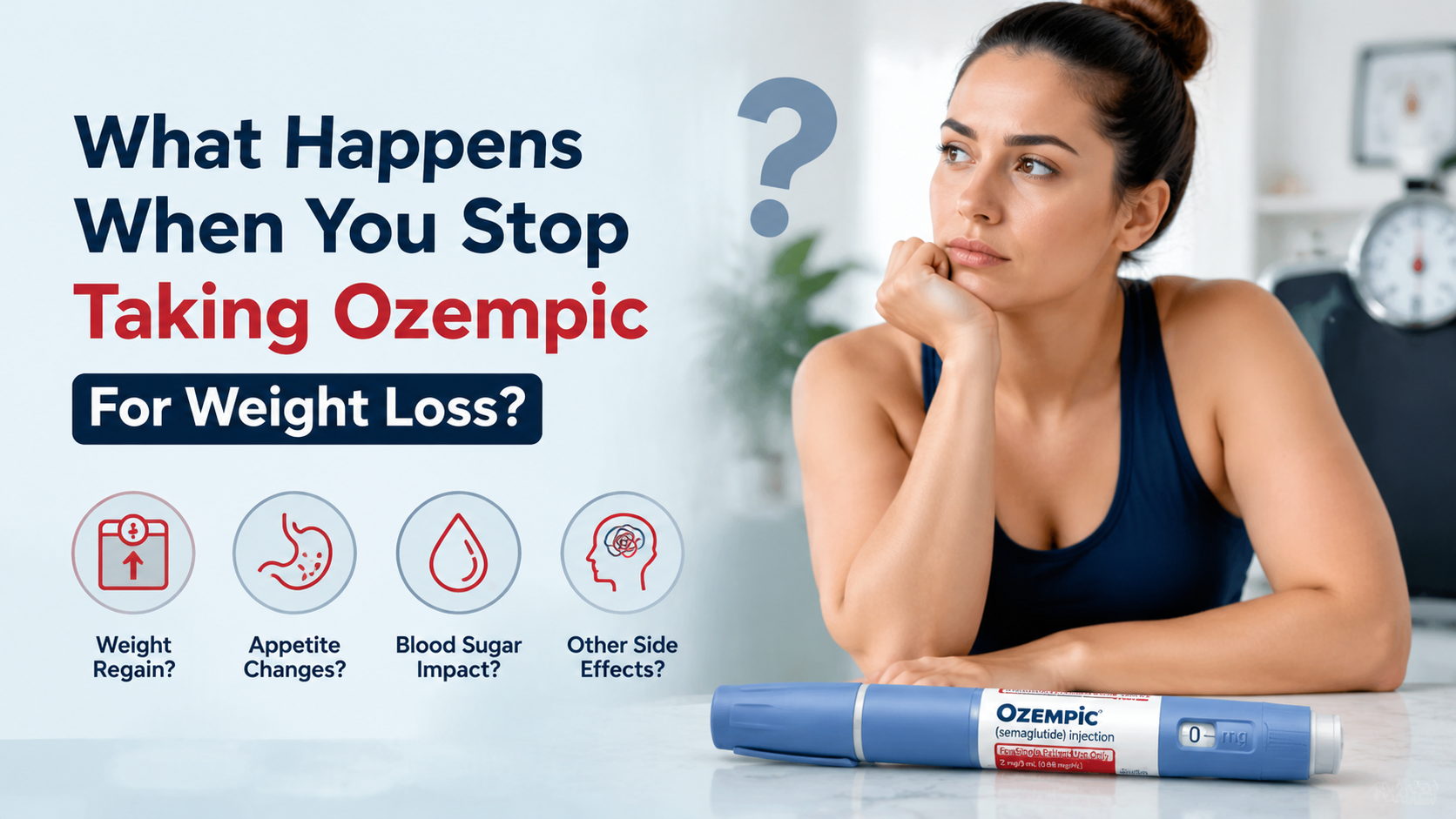
Many people achieve meaningful results while using Ozempic, but an important question often arises once treatment ends: what happens when you stop taking Ozempic for weight loss? Understanding what to expect after discontinuing the medication can help you prepare for the next phase of your journey and protect the progress you have worked hard to achieve.
Ozempic helps reduce appetite, control cravings, and support calorie reduction. When the medication is stopped, these effects may gradually fade. This does not automatically mean weight regain will happen, but it does mean that maintaining healthy habits becomes even more important for long-term success.
With guidance often emphasized through AM Rx, the focus shifts from medication-supported weight loss to sustainable lifestyle-driven maintenance.
How Ozempic Supports Weight Loss
To understand what happens when you stop taking Ozempic for weight loss, it is helpful to first understand how the medication works. Ozempic contains semaglutide, which mimics a naturally occurring hormone that regulates hunger and fullness. It helps people feel satisfied with smaller portions and reduces the desire to eat frequently throughout the day.
As a result, many individuals consume fewer calories without feeling constantly hungry. Over time, this contributes to significant Ozempic weight loss and improved eating habits. However, the medication is supporting these appetite-control mechanisms while it is being used. Once treatment stops, the body gradually adjusts again.
What Happens Immediately After Stopping Ozempic?
Most people do not notice dramatic changes overnight. Ozempic remains in the body for some time after the final dose, so its effects fade gradually rather than disappearing instantly.
During the first few weeks, some individuals continue experiencing reduced appetite and stable eating habits. Others may begin noticing a gradual return of hunger signals.
The experience varies from person to person, but understanding what happens when you stop taking Ozempic for weight loss can help set realistic expectations during this transition period.
Increased Appetite May Return
One of the most common changes after discontinuation is an increase in appetite. Since Ozempic helps regulate hunger, stopping the medication may allow those natural hunger signals to become stronger again.
People who previously felt satisfied with smaller meals may notice that they feel hungry sooner or think about food more often throughout the day.
This does not mean weight gain is inevitable. However, it does highlight the importance of maintaining healthy eating habits that were developed during treatment.
AM Rx encourages patients to focus on mindful eating strategies before and after treatment to support continued success.
Can Weight Regain Occur?
A common concern surrounding what happens when you stop taking Ozempic for weight loss is the possibility of regaining weight.
Weight regain can happen if calorie intake increases significantly after stopping the medication. Since appetite may rise, maintaining the same eating patterns can become more challenging without the support of Ozempic.
However, the outcome depends largely on lifestyle habits. Individuals who continue following healthy nutrition plans and regular activity routines often have a better chance of maintaining their results. The goal of treatment is not only achieving Ozempic weight loss but also building sustainable habits that support long-term success.
How Metabolism Responds After Stopping Treatment
Many people wonder whether their metabolism changes after discontinuing Ozempic. While the medication primarily affects appetite and eating behavior, weight loss itself can influence how many calories the body needs.
After losing weight, the body often requires fewer calories than before. This is a normal biological response and is one reason maintaining weight loss can be challenging.
Understanding this aspect of long-term weight management helps explain why ongoing healthy habits remain important even after medication use ends.
Emotional And Behavioral Challenges
Another factor to consider is the psychological side of weight management. During treatment, reduced cravings often make healthy choices feel easier. After stopping Ozempic, some individuals notice a return of food cravings or emotional eating triggers. Stress, boredom, and social situations may become more challenging to navigate.
Recognizing these challenges early can help prevent setbacks. Building coping strategies while still using the medication can make the transition smoother later on. AM Rx emphasizes that successful long-term weight management often involves both physical and behavioral changes.
Strategies For Maintaining Ozempic Weight Loss
Maintaining Ozempic weight loss after treatment requires a proactive approach. Healthy eating habits should remain a priority even when appetite begins to increase.
Protein-rich meals can help improve satiety and reduce excessive hunger. Consistent physical activity supports calorie balance and overall health. Regular sleep schedules and stress management techniques can also positively influence appetite regulation.
Many people find that tracking meals, planning ahead, and maintaining structured routines helps preserve their progress after treatment ends.
The Importance Of Long-Term Weight Management
The discussion around what happens when you stop taking Ozempic for weight loss ultimately comes down to long-term weight management.
Weight management is not a temporary project. It is an ongoing process that requires consistent habits and realistic expectations. Medication can be a valuable tool, but lasting success often depends on the lifestyle changes developed during treatment.
People who view Ozempic as part of a broader health strategy often find it easier to maintain results over time.
When To Speak With A Healthcare Provider
If you are considering stopping Ozempic or have already discontinued treatment, it is important to discuss your plans with a healthcare professional.
They can help create a transition strategy, monitor your progress, and provide guidance tailored to your specific needs. This support can be especially valuable if you are concerned about appetite changes or maintaining your results.
AM Rx encourages ongoing communication with healthcare providers to help individuals navigate each stage of their weight management journey safely and effectively.
Conclusion
Understanding what happens when you stop taking Ozempic for weight loss can help you prepare for life after treatment. While increased appetite and potential weight regain are possible, they are not unavoidable.
The habits developed during treatment play a major role in determining long-term outcomes. Healthy eating, regular activity, stress management, and consistency all contribute to successful long-term weight management.
Personalized weight loss coaching and medication plans by AM Rx provide a comprehensive approach that combines medication support, behavioral coaching, and sustainable lifestyle strategies to help individuals maintain their results long after treatment ends. AM Rx believes that lasting success comes from combining effective treatment with healthy habits that can be sustained for years to come.
FAQs
1. What happens when you stop taking Ozempic for weight loss?
Appetite may gradually increase, and maintaining healthy habits becomes more important for preserving results.
2. Will I regain all the weight after stopping Ozempic?
Not necessarily. Weight regain depends largely on eating habits, activity levels, and overall lifestyle choices.
3. How long do Ozempic effects last after the last dose?
The medication leaves the body gradually, so its effects often fade over several weeks rather than immediately.
4. Can I maintain my Ozempic weight loss without medication?
Yes. Many people maintain results through balanced nutrition, exercise, and consistent healthy habits.
5. Why is long-term weight management important after Ozempic?
Long-term habits help prevent weight regain and support lasting health improvements after treatment ends.